
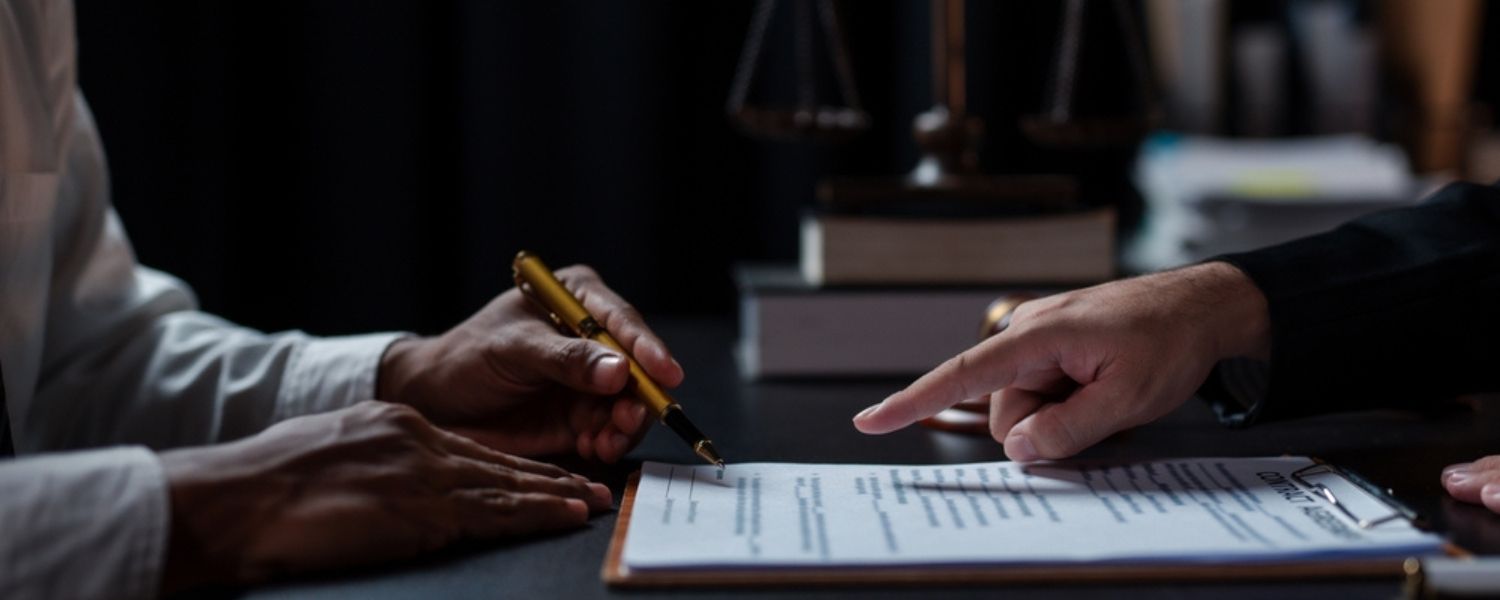
Produktbild
Can't the debtor pay? – Secure an acknowledgment of debt now

Can’t the debtor pay? – Secure an acknowledgment of debt now

9,99  inkl. MwSt.oder 1 PepperPoint

Can’t the debtor pay? – Secure an acknowledgment of debt now

Did someone promise you money but can’t pay you right now?

Then you should have your liability acknowledged in writing right now.

Because as long as the debtor still acknowledges the debt, you can set the record straight. If you wait too long, disputes often arise later about it,

  • whether any money is owed at all
  • how much
  • or whether repayment was ever agreed upon.

This is exactly where an acknowledgment of debt protects you.


Admission of Liability – The Solution

With this template, you can have the claim confirmed in writing and establish a solid basis for future repayment.

You make sure that

  • the debtor expressly acknowledges the claim
  • The amount and basis of the debt must be clearly documented
  • and later you’ll have some important evidence in your hands

What this legal document does for you

  • The debtor acknowledges the debt in writing
  • The claim and the reason for payment are clearly documented
  • This helps prevent future disputes
  • Your position as a creditor will be significantly strengthened

In what situations is this template appropriate?

  • Personal Loan
  • Outstanding purchase price receivables
  • Money among friends or within the family
  • Damages
  • Installment Payments
  • other monetary claims

Admission of Debt – Here’s How It Works

  • Fill out the form
  • Have the debtor sign it
  • store safely

This way, you’ll have a clear record of evidence in case disputes arise later on.


Why you should act now

The debtor may still acknowledge the claim today.

In a few months, things could look quite different.

👉 That’s why you should have them sign the acknowledgment of debt while you’re still on good terms.


Act now

Secure your claim now with a written acknowledgment of debt.

🌶️ Be your own advocate.

Description

Can’t the debtor pay? – Secure an acknowledgment of debt now

Did someone promise you money but can’t pay you right now?

Then you should have your liability acknowledged in writing right now.

Because as long as the debtor still acknowledges the debt, you can set the record straight. If you wait too long, disputes often arise later about it,

  • whether any money is owed at all,
  • how much,
  • or whether repayment was ever agreed upon.

This is exactly where an acknowledgment of debt protects you.


Admission of Liability – The Solution

With this template, you can have the claim confirmed in writing and establish a solid basis for future repayment.

You make sure that

  • the debtor expressly acknowledges the claim
  • The amount and basis of the debt must be clearly documented
  • and later you’ll have some important evidence in your hands

What this legal document does for you

  • The debtor acknowledges the debt in writing
  • The claim and the reason for payment are clearly documented
  • This helps prevent future disputes
  • Your position as a creditor will be significantly strengthened

In what situations is this template appropriate?

  • Personal Loan
  • Outstanding purchase price receivables
  • Money among friends or within the family
  • Damages
  • Installment Payments
  • other monetary claims

Admission of Debt – Here’s How It Works

  • Fill out the form
  • Have the debtor sign it
  • store safely
  • This way, you’ll have a clear record of evidence in case disputes arise later on.

Why you should act now

The debtor may still acknowledge the claim today.

In a few months, things could look quite different.

👉 That’s why you should have them sign the acknowledgment of debt while you’re still on good terms.


Act now

Secure your claim now with a written acknowledgment of debt.

🌶️ Be your own advocate.

Help when the going gets tough

PepperPapers legal documents are here to help you when the going gets tough. Directly downloadable, without going to a lawyer. With PepperPapers legal documents, you’re on the safe side. Checked by lawyers and tax experts and continuously updated for you.

EN